Higher Rates, Different Rules: Why the Peninsula Housing Market Is Splitting
Rising mortgage rates are changing how buyers approach the market, but not everyone is feeling the pressure equally. Here's what that means for buyers and sellers across San Mateo County.
Mortgage rates are climbing again, and naturally, I'm hearing questions about what this means for the Peninsula real estate market. Will buyers pull back? Will home prices soften? Will the demand we've seen throughout the year finally begin to slow?
My answer is that it depends on which buyers and which homes we're talking about.
Higher interest rates are certainly affecting affordability, but I'm seeing buyers respond in very different ways. Some are reconsidering their budgets or whether to buy at all. Others are bringing more cash to the transaction so they can continue pursuing the homes they want. We're not looking at one market moving in one direction. We're looking at several different markets, each responding to the same pressures in different ways.
Buyers Are Changing Their Financing, Not Necessarily Their Goals
I recently helped a buyer get into contract who was initially planning to make a substantial down payment. As their stock investments performed well, they decided to sell additional shares and increase their down payment to 48% of the purchase price. Their goal wasn't to purchase a more expensive home. It was to reduce the amount they needed to borrow and keep their monthly mortgage payment comfortable.
I'm seeing something similar with another buyer who has a maximum purchase price of $2.6 million. Despite rising rates, they haven't lowered that ceiling. Instead, they're evaluating how much additional cash they can bring to the transaction to offset the higher borrowing costs.
These are two examples of something important happening in our market.
Buyers with significant financial resources have options that other buyers simply don't. They may have stock investments, substantial savings, or equity from a previous home that allows them to adjust their financing without compromising their home search.
With the tremendous wealth being generated in the technology sector, including the potential for additional liquidity from future AI company IPOs, that financial flexibility is particularly relevant in the Bay Area.
But not every buyer has those options.
One Market, Very Different Pressures
For buyers shopping at the more accessible end of the single-family home market, higher rates can change everything.
A buyer who was previously comfortable competing for a particular home may now find that the monthly payment stretches their budget too far. Some will lower their price range. Others will reconsider whether homeownership makes financial sense right now.
That changes the competitive landscape for sellers, too.
If your home is positioned toward first-time or more payment-sensitive buyers, I still expect strong interest when it's priced appropriately. But where you might previously have attracted ten offers, some of those buyers may now be looking at less expensive homes or stepping out of the market. You may still sell above asking, but that doesn't necessarily mean you'll achieve the same premium you might have seen when borrowing costs were lower.
At the higher end of the market, particularly around $3.5 million and above, I'm seeing a different dynamic. Many of these buyers have greater financial flexibility and can increase their down payments to manage their monthly obligations. That doesn't make luxury homes immune to changes in interest rates, but it can make their buyers less sensitive to those changes.
For sellers, this is why understanding your likely buyer matters so much. The strategies that work for a $1.8 million home may look very different from those for a $4 million home.
The Condo and Townhome Question Is Getting More Complicated
When single-family homes become less affordable, it's natural to assume buyers will turn toward condos and townhomes.
Some will, but I'm not convinced we'll see a significant migration into those property types. In my experience, many buyers who are committed to owning a single-family home would rather wait than purchase something that doesn't meet their long-term needs.
There's also another consideration that condo and townhome buyers need to understand.
California recently enacted Assembly Bill 2050, which will establish stronger reserve-funding requirements for homeowners associations beginning in 2032. The goal is to help associations maintain sufficient reserves for major repairs and future expenses. For some communities, meeting those requirements could eventually mean higher HOA dues or special assessments. The actual impact will depend on each association's financial position, existing reserves, and future obligations.
This matters because a lower purchase price doesn't necessarily translate into a lower cost of ownership.
A condo may look considerably more affordable than a single-family home, but buyers need to consider the mortgage payment, property taxes, insurance, HOA dues, and potential future assessments together. I also expect buyers to become increasingly attentive to HOA financial health, which could influence how they evaluate individual properties and communities.
That doesn't mean condos and townhomes are bad investments. It means understanding what you're buying has never been more important.
What I'd Advise Buyers and Sellers Right Now
For buyers: Start with the monthly cost you can comfortably sustain, not simply the maximum purchase price a lender will approve. If you're considering a larger down payment, evaluate that decision alongside your need for cash reserves and financial flexibility.
If you're exploring condos or townhomes, read the disclosures carefully, particularly the HOA budget, reserve study, meeting minutes, and any planned assessments. Understand the total cost of ownership before making a commitment.
And if higher rates have changed what you can afford, don't feel pressured to buy something that doesn't meet your needs simply because you want to become a homeowner. Sometimes the right strategy is to adjust your search. Sometimes it's to wait.
For sellers: Don't assume strong overall buyer demand guarantees the same outcome for every property.
The most important questions are who your likely buyers are, how they're financing their purchases, and how changes in affordability affect the price range in which your home competes.
A carefully prepared and strategically priced home can still perform exceptionally well. But today's market requires us to understand the financial realities of the buyers we're trying to attract. The Peninsula continues to offer tremendous opportunities, but those opportunities are becoming more specific to each property, price point, and buyer.
The best time to start your strategy was yesterday. The next best time is today.
If you're considering buying or selling in Foster City, San Mateo, or anywhere across the Peninsula this fall, contact me. Let's look at the market around your specific goals and build a strategy before the season gets underway.
September 2026 Market Reports
Below you'll find market information for San Mateo County, the City of San Mateo, and Foster City

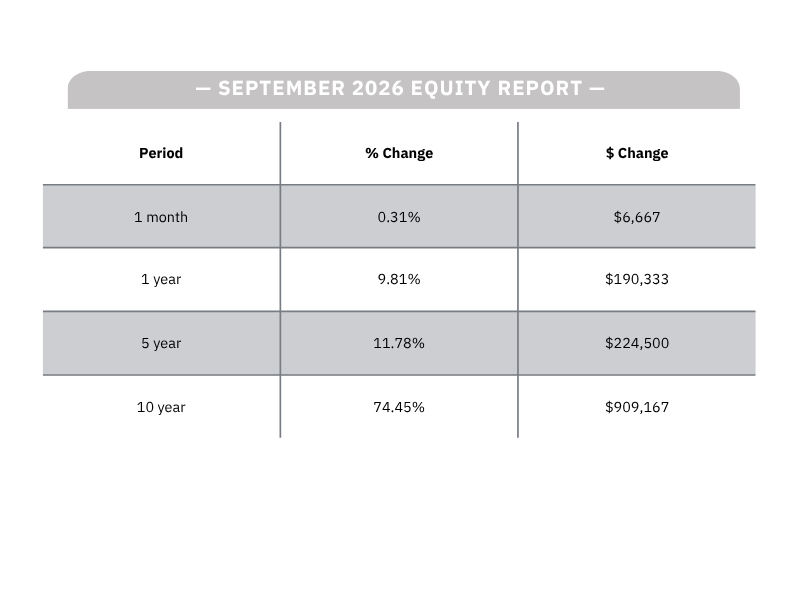
San Mateo County Equity Report. This report covers changes in median home sales prices over the last month, year, five years, and ten years using rolling 3-month data.
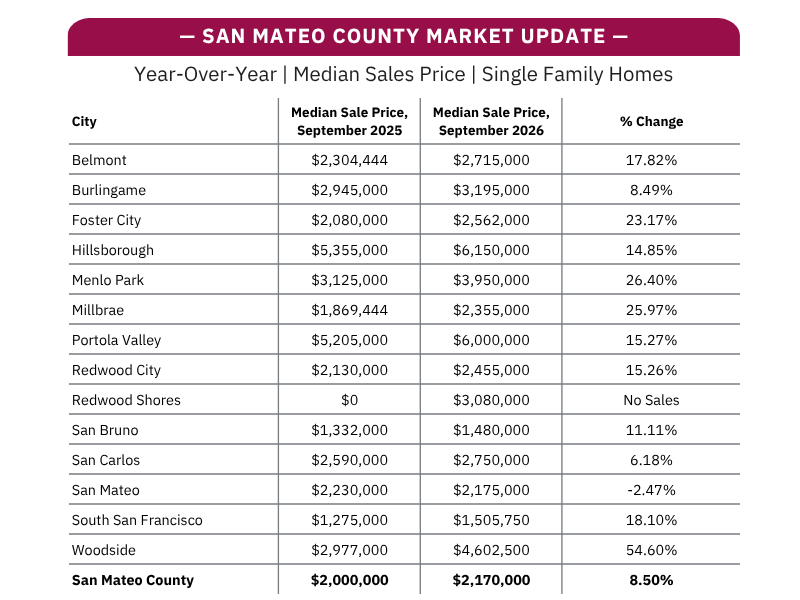
San Mateo County Market Report.
This report covers changes in median home sales prices, comparing year-over-year data for a single month.

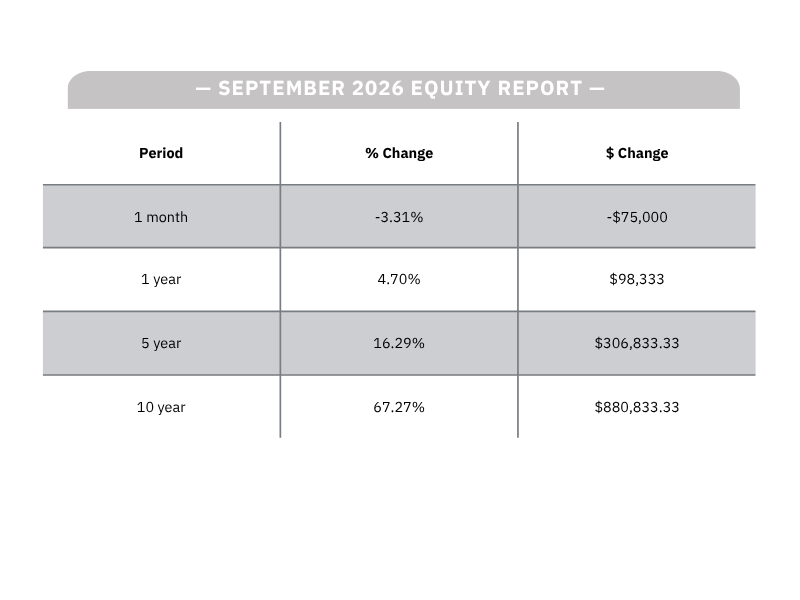
San Mateo City Equity Report.
This report covers changes in median home sales prices over the last month, year, five years, and ten years using rolling 3-month data.
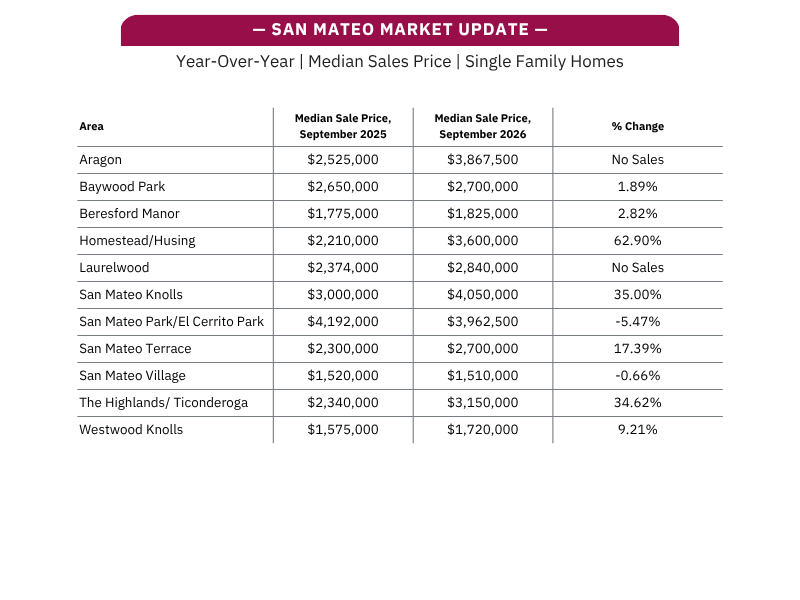
San Mateo City Market Report.
This report covers changes in median home sales prices, comparing year-over-year data for a single month.

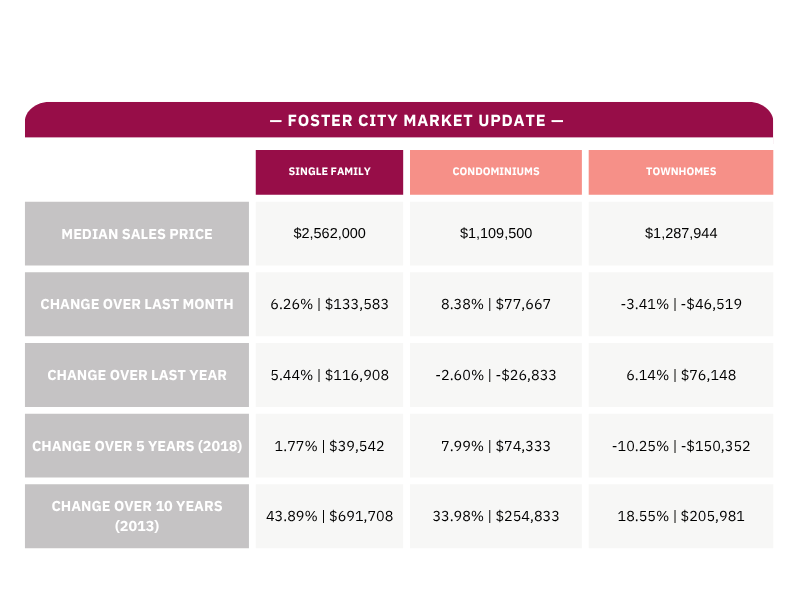
Foster City Market & Equity Report.
This report covers changes in median home sales prices over the last month, year, five years, and ten years.